

Top Essential Oils for Stress and Anxiety Relief: Nature’s Calming Remedies
-
Aroma Purely
- Posted on
- 0 comments
Introduction: Understanding Stress and Anxiety
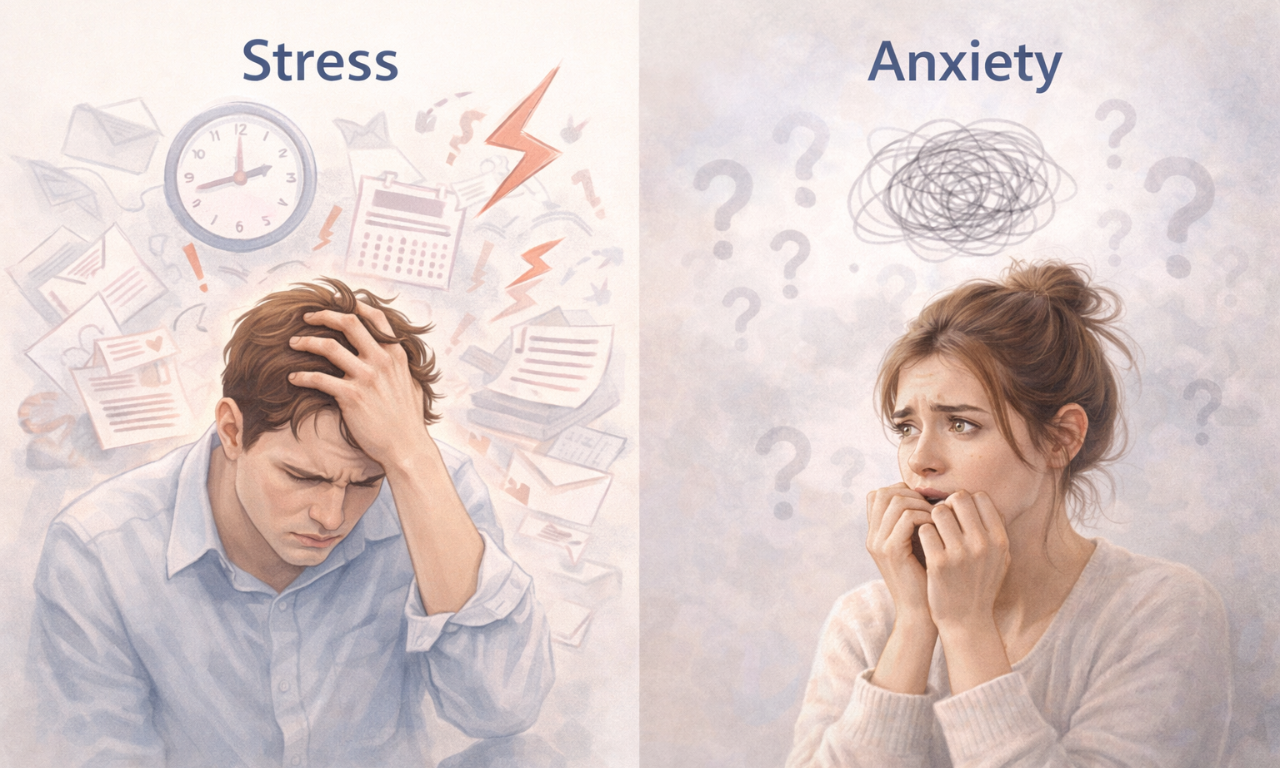
Stress and anxiety are common experiences that affect individuals across all walks of life. Stress refers to a natural response of the body to perceived threats or challenges, often activating the fight-or-flight response. This emotional and physical reaction can arise from a variety of sources, including work-related pressures, interpersonal relationships, and major life changes. Anxiety, on the other hand, is characterized by an overwhelming sense of worry or fear that can manifest even in the absence of a specific threat. While a limited amount of stress can be motivating and beneficial, chronic stress or excessive anxiety can lead to significant detrimental effects on both mental and physical health.
Common symptoms of stress include fatigue, irritability, difficulty concentrating, and sleep disturbances. Conversely, anxiety may present with symptoms such as excessive worry, restlessness, panic attacks, or even physical symptoms like increased heart rate or sweating. The prevalence of these conditions is notably high in modern society, as countless individuals struggle to manage the demands of everyday life. According to various studies, a considerable percentage of adults report experiencing stress regularly, with anxiety disorders being among the most common mental health issues.
Given the widespread nature of stress and anxiety, finding effective coping strategies is crucial for many. Among various therapeutic options, essential oils have begun to gain attention as a natural remedy for promoting relaxation and alleviating feelings of stress and anxiety. Derived from plants, these concentrated oils possess properties believed to enhance mood and foster a sense of calm. The incorporation of essential oils into daily routines may offer individuals an additional tool in their quest for emotional well-being and balance in an increasingly demanding world.
Understanding the Mechanism of Essential Oils
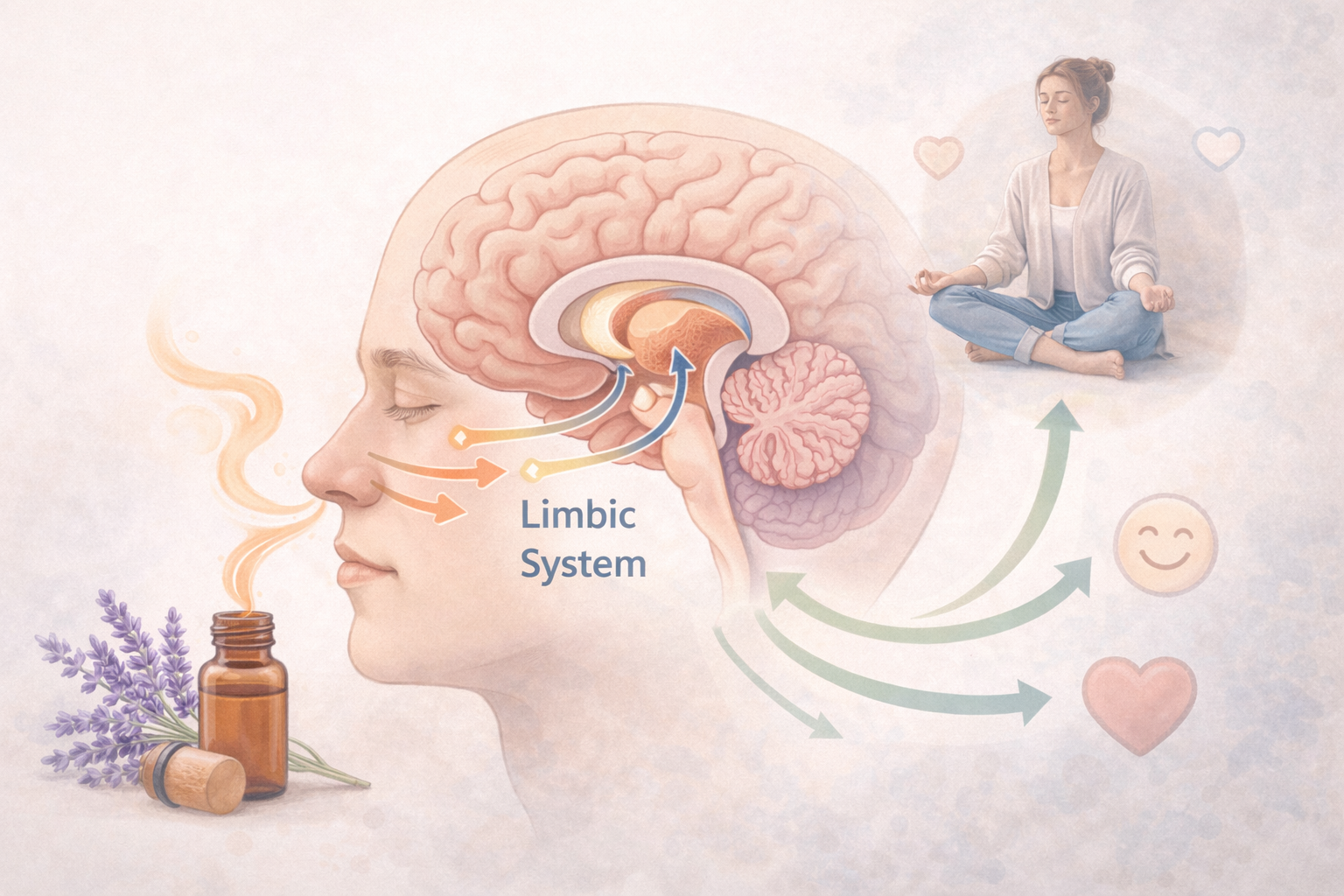
Essential oils have garnered significant attention for their role in alleviating stress and anxiety. The science behind these calming remedies lies in their ability to influence both our emotional and physiological states through the olfactory system. When inhaled, the aromatic compounds present in essential oils interact with the olfactory receptors in the nose, sending signals directly to the brain. This interaction primarily targets the limbic system, which is responsible for emotions, behaviors, and long-term memory.
Different scents can evoke distinct emotional responses, a phenomenon widely recognized in aromatherapy. For instance, the scent of lavender has been proven to reduce anxiety and promote relaxation, while citrus scents like orange or lemon can uplift mood and enhance mental clarity. The compounds within these oils can also stimulate the release of neurotransmitters such as serotonin and dopamine, which further contributes to improved mood and a reduction in feelings of stress.
Moreover, essential oils can induce physiological changes that are beneficial for stress relief. Many oils possess sedative properties that can lower blood pressure, slow down the heart rate, and reduce levels of the stress hormone cortisol. The calming scents can also promote better sleep quality, an important factor in managing anxiety. Through these mechanisms, essential oils are effective in providing both immediate relief and long-term benefits for individuals experiencing stress.
Incorporating essential oils into daily life can be a simple yet effective strategy for enhancing overall well-being. By understanding how these natural extracts work, individuals can select specific oils that align with their emotional needs, aiding in the pursuit of a calmer, more centered lifestyle.
Top Essential Oils for Anxiety and Stress Relief
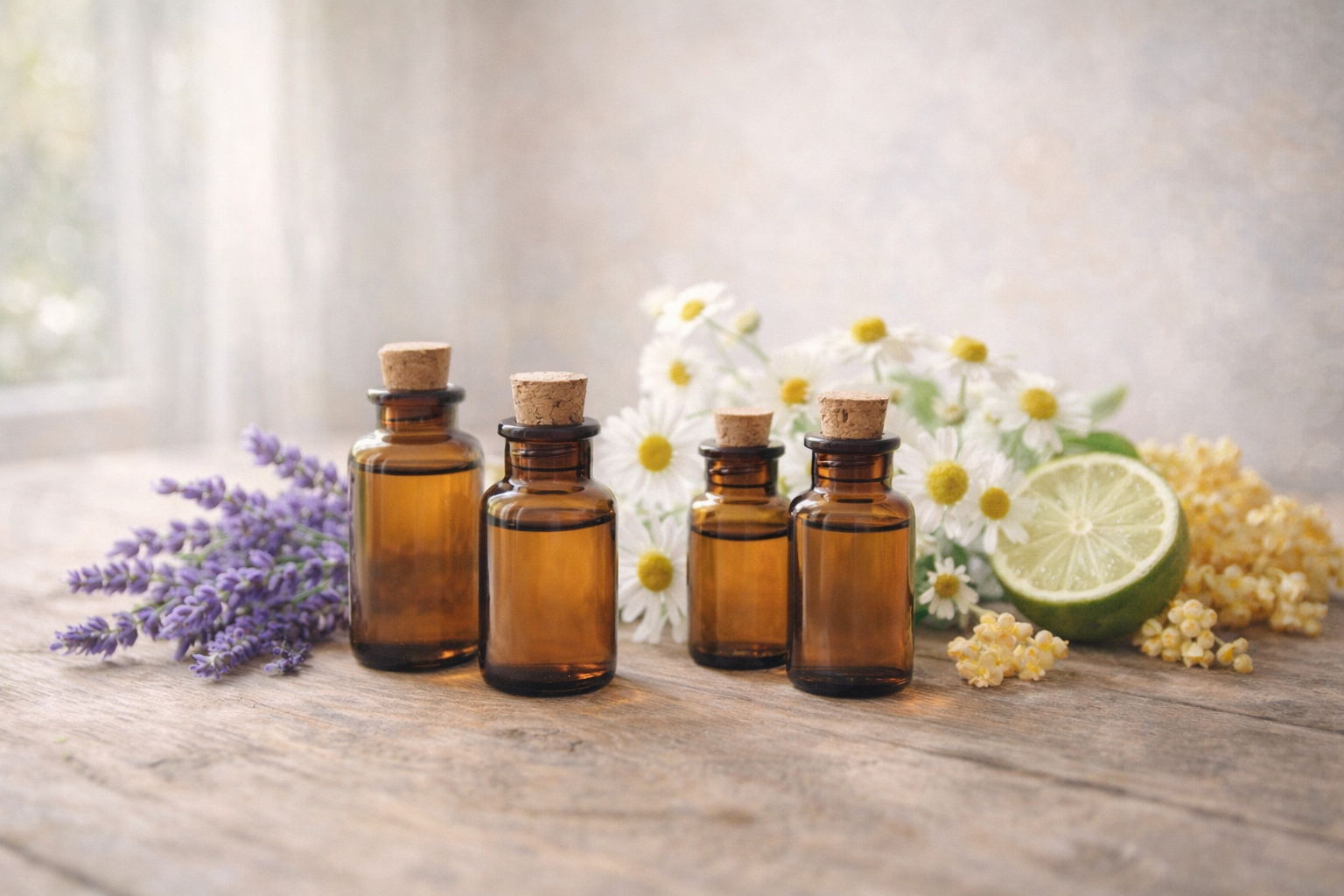
Managing stress and anxiety is crucial for maintaining overall well-being. Essential oils have been recognized for their calming properties, providing a natural approach to alleviating these conditions. Below is a list of some of the most effective essential oils known for their ability to relieve stress and promote relaxation.
1. Lavender Essential Oil: Renowned for its soothing fragrance, lavender essential oil is often used to reduce anxiety and promote a sense of calm. Its properties help in lowering heart rates and blood pressure, making it an ideal choice for stress relief. Lavender can be diffused in the air, added to baths, or applied topically after dilution.
2. Chamomile Essential Oil: This oil is famed for its mild sedative effects, making it an effective remedy for both anxiety and insomnia. Chamomile can help soothe the mind and reduce irritability, making it particularly beneficial during periods of high stress. It can be used in aromatherapy or blended with carrier oils for massage.
3. Bergamot Essential Oil: Bergamot oil is well-regarded for its uplifting effects combined with calming properties. Its citrus aroma can help to alleviate feelings of stress while enhancing mood. Often used in its oil form or as a diffuser blend, bergamot is especially effective when combined with other calming oils.
4. Frankincense Essential Oil: This ancient oil offers grounding and balancing properties, which are immensely helpful for alleviating anxiety. Frankincense can assist in deepening meditation practices and fostering a tranquil environment. It can be diffused, inhaled directly, or mixed with other oils for a calming massage blend.
These essential oils are powerful tools for managing stress and anxiety. By incorporating them into daily routines, individuals may find a natural pathway to enhanced emotional well-being. Experimenting with different oils will help in determining which oils provide the most relief, as individual responses can vary.
Methods of Using Essential Oils for Maximum Benefit
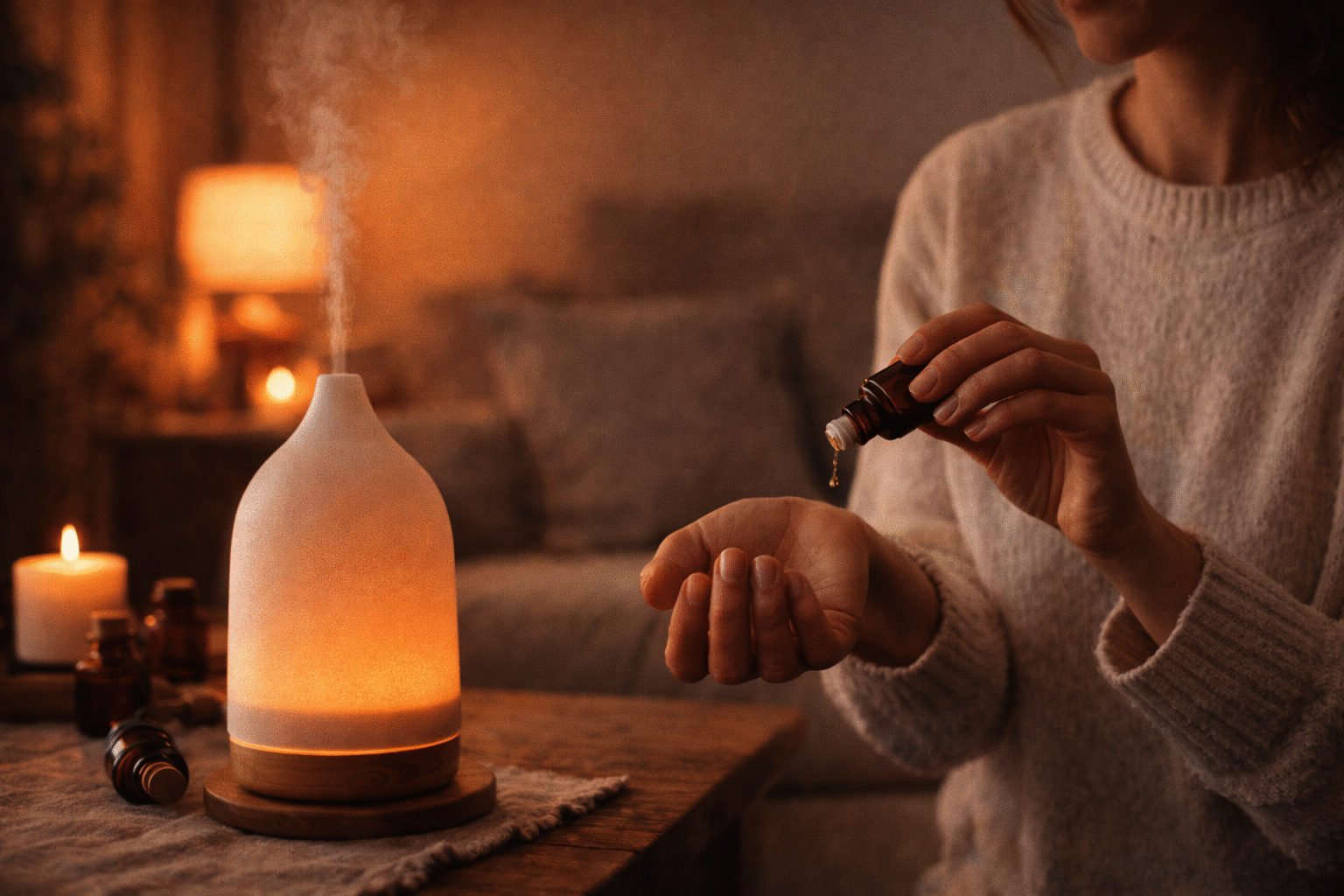
Essential oils can enhance well-being and are particularly effective for alleviating stress and anxiety when used properly. There are several methods to utilize these potent extracts, each offering unique benefits based on individual preferences and situations.
One of the most popular methods is diffusion. Using an essential oil diffuser disperses the oil into the air, allowing for even distribution of its calming aroma. To maximize benefits, consider adding a few drops of oils such as lavender or chamomile to the diffuser. Ensure the space is well-ventilated, and allow the diffuser to run for about 30 minutes to create a soothing environment. This method not only enhances relaxation but also contributes to an overall peaceful atmosphere.
Topical application is another effective method of using essential oils. When applying oils directly on the skin, it is crucial to dilute them with a carrier oil such as coconut or jojoba oil to prevent irritation. A dilution ratio of one to three drops of essential oil per teaspoon of carrier oil is generally recommended. Areas like the wrists, temples, or the nape of the neck are ideal for applying essential oils like bergamot or frankincense, known for their calming properties.
Inhalation presents a quick, effective way to absorb the benefits of essential oils. Simply placing a few drops on a tissue or palm and breathing deeply can provide immediate relief. This method is particularly useful for on-the-go situations, allowing for swift access to peace and tranquility. For an enhanced experience, engage in deep breathing exercises while inhaling the aroma, promoting relaxation and mindfulness.
Ultimately, the method chosen for using essential oils can depend on personal preference and specific circumstances. Creating a calming environment, regardless of the method, is paramount to reaping the full benefits of these natural remedies.
Combining Essential Oils: Blends for Greater Relief
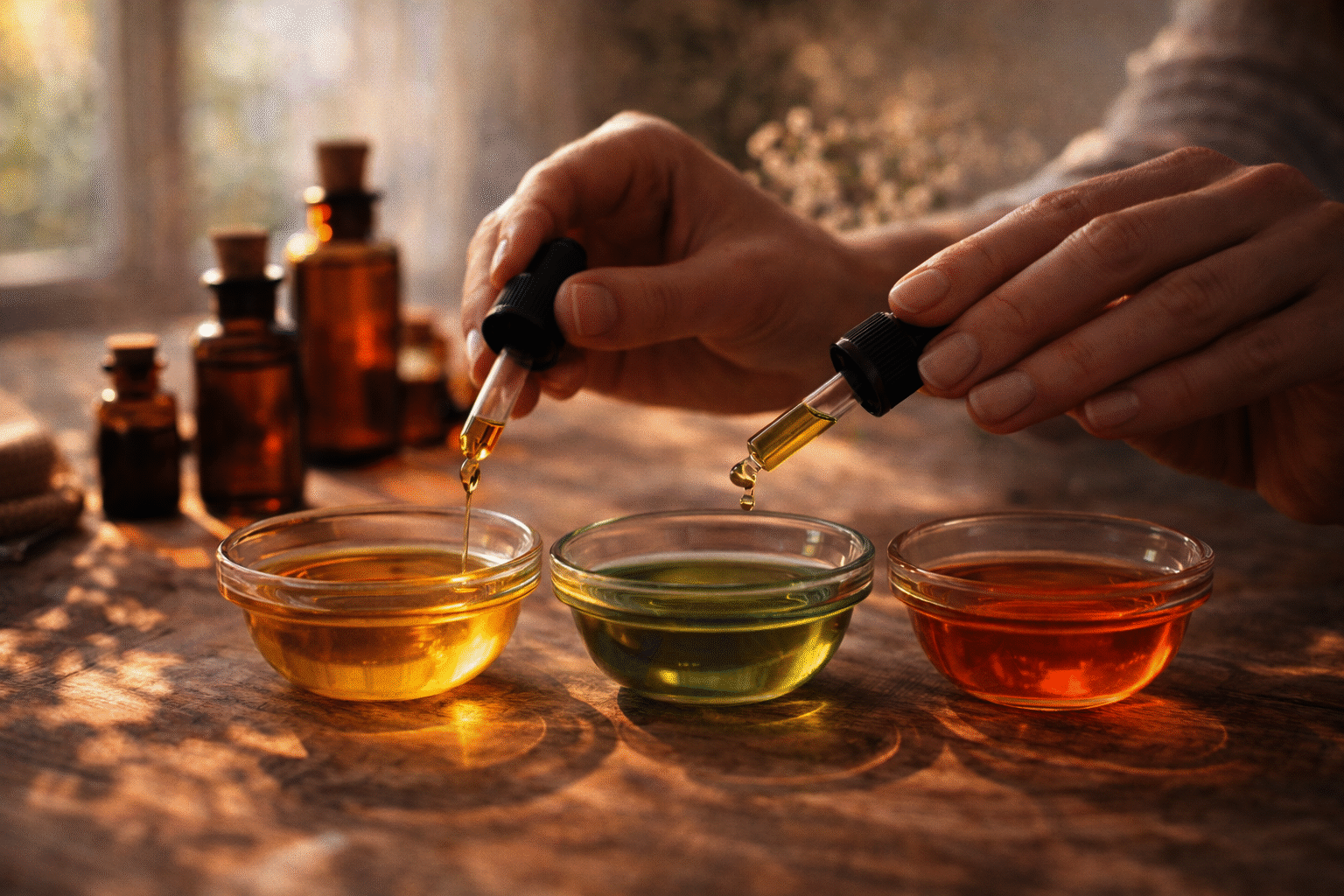
Blending essential oils can significantly enhance their therapeutic effects, particularly for stress and anxiety relief. Combining different oils allows for a synergistic response, where the resulting aroma and properties are often more effective than using a single oil alone. This practice not only provides a more complex scent profile but also targets various aspects of stress and emotional balance, creating a holistic approach to relaxation.
One popular blend for stress relief is the combination of lavender, bergamot, and frankincense. Lavender is widely recognized for its calming properties, promoting relaxation and reducing anxiety. In contrast, bergamot is known for its uplifting effects, helping to elevate mood and reduce feelings of tension. Finally, frankincense adds depth to the blend, offering a stabilizing effect that encourages a sense of peace. To create this blend, mix 3 drops of lavender essential oil, 2 drops of bergamot essential oil, and 2 drops of frankincense essential oil in a diffuser or blend with a carrier oil for topical application.
Another effective blend is the combination of chamomile, ylang-ylang, and cedarwood. Chamomile is renowned for its soothing properties, while ylang-ylang is known for its ability to reduce stress and promote emotional balance. Cedarwood offers grounding qualities, helping to foster a sense of security. Mix 4 drops of chamomile essential oil, 3 drops of ylang-ylang, and 2 drops of cedarwood in a diffuser to create a calming atmosphere or massage oil.
It is essential to personalize these blends according to individual preferences, as scent sensitivity can vary from person to person. Experimenting with different ratios and combinations can lead to discovering a unique blend that resonates with one’s personal needs. Remember to conduct a patch test if applying the blends topically, and consult with a professional if you have any health concerns.
Safety and Precautions When Using Essential Oils
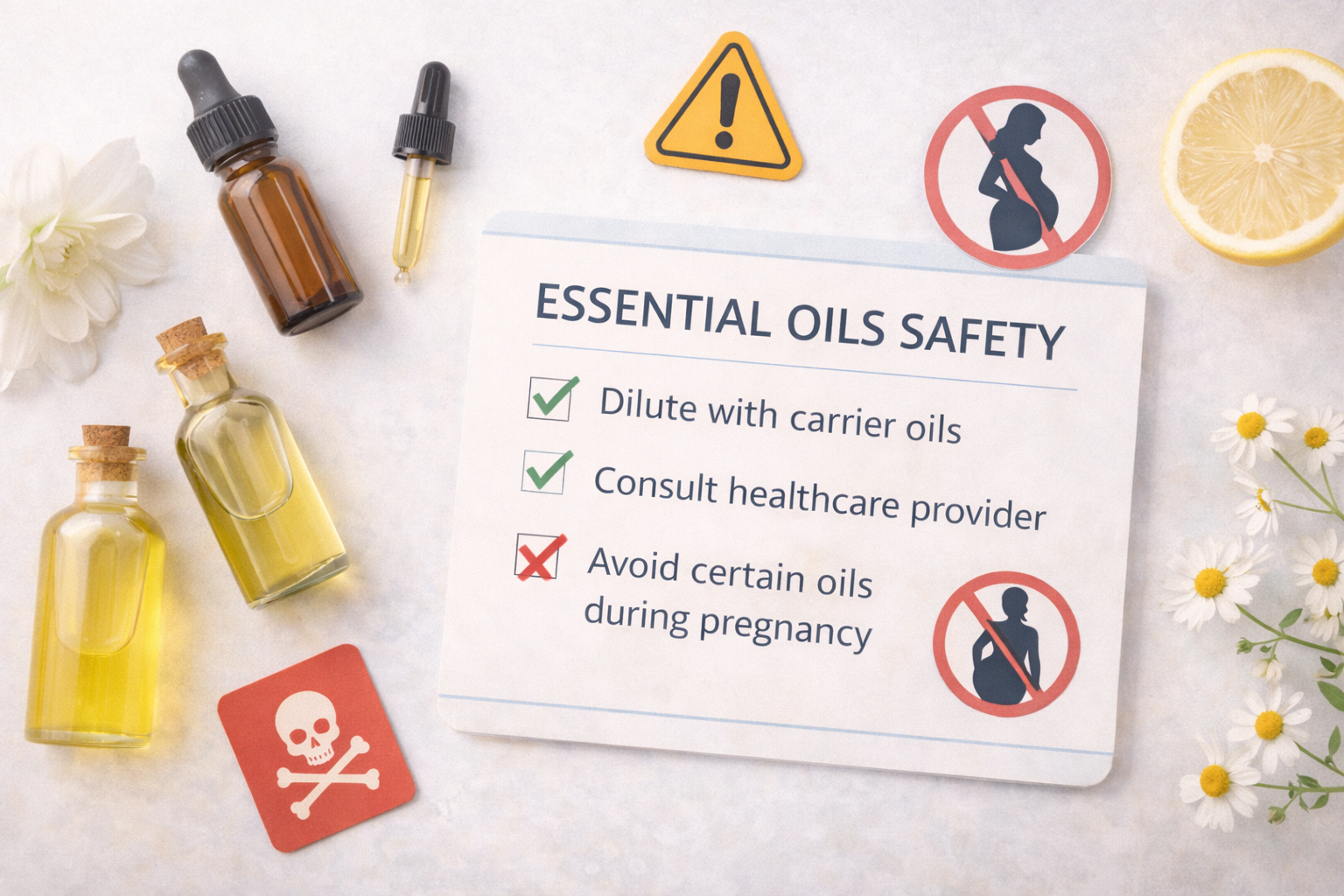
Essential oils are widely recognized for their therapeutic benefits, particularly in alleviating stress and anxiety. However, it is crucial to understand and adhere to safety precautions when incorporating these oils into your wellness routine. First and foremost, individuals should be aware of potential allergic reactions. Essential oils are highly concentrated and can cause skin irritations or allergic responses in some users. It is advisable to perform a patch test by diluting a small amount of the essential oil with a carrier oil, applying it to a discreet area of the skin, and observing for any adverse reactions over 24 hours.
Moreover, proper dilution of essential oils is essential for safe use. Direct application of undiluted essential oils is not recommended, as they may lead to skin sensitization or chemical burns. A common guideline is to dilute one to three drops of essential oil in a carrier oil, such as coconut or jojoba oil, before topical application. This dilution reduces the risk of irritation while maintaining the oil’s efficacy.
During pregnancy, certain essential oils should be avoided due to potential risks to the developing fetus. Oils such as rosemary, clary sage, and wintergreen are generally discouraged. It is paramount for pregnant individuals to consult their healthcare provider before using any essential oils. Additionally, it is important to note that individuals with specific medical conditions or those taking medications should also seek advice from a healthcare professional before using essential oils to prevent any contraindications.
In conclusion, while essential oils can be beneficial for stress and anxiety relief, it is imperative to prioritize safety by being informed of possible allergic reactions, implementing proper dilution techniques, and consulting healthcare providers when necessary. This vigilance ensures a safe and effective experience when utilizing nature’s remedies.
Creating a Self-Care Routine with Essential Oils
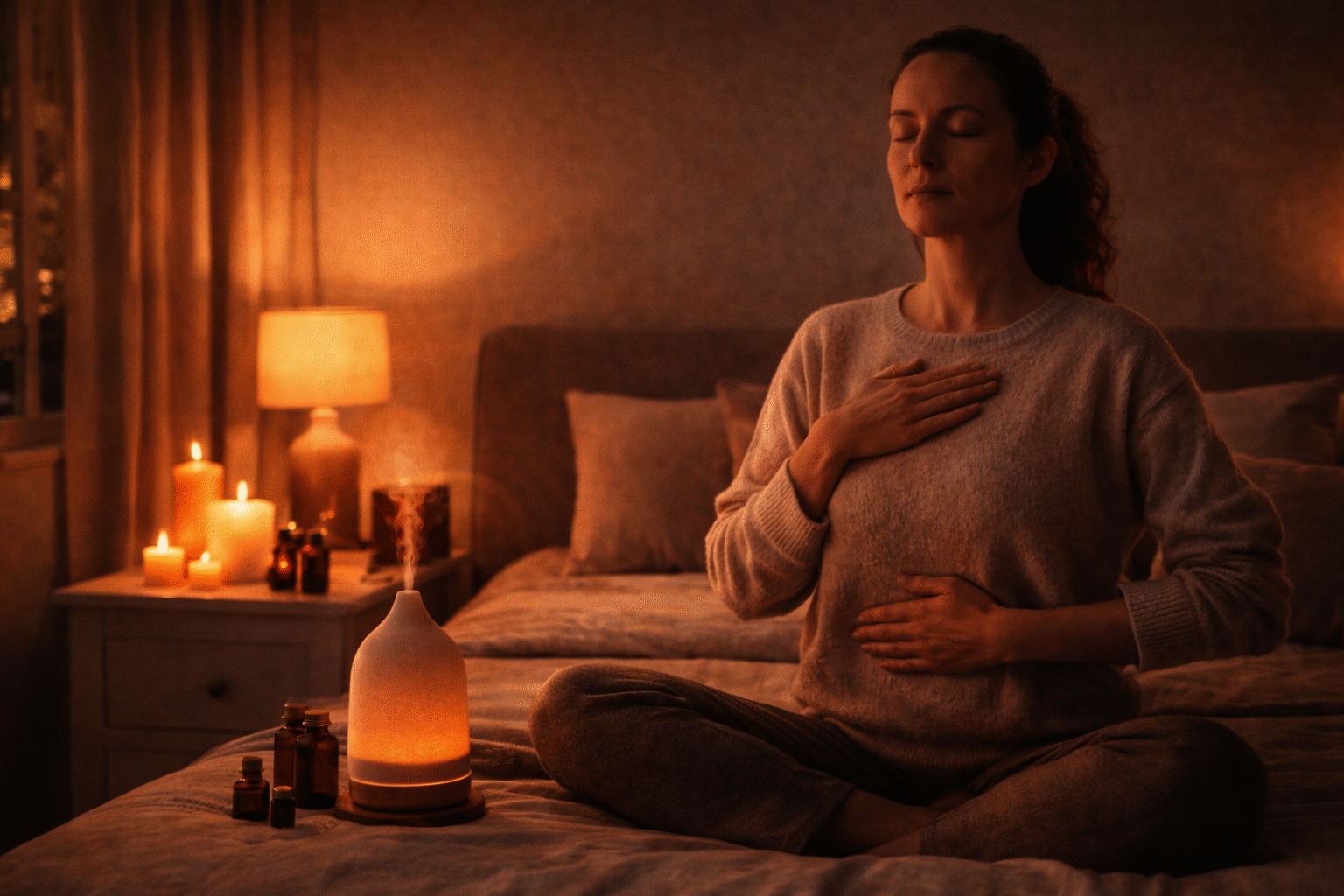
Incorporating essential oils into a self-care routine can significantly enhance your overall well-being, particularly when it comes to managing stress and anxiety. To start, it’s important to choose the right essential oils that resonate with your personal preferences and needs. Popular options for relaxation include lavender, chamomile, and bergamot, known for their calming effects.
Establishing a morning or evening ritual can optimize the benefits of these natural remedies. In the morning, consider diffusing a blend of citrus oils such as lemon or sweet orange to invigorate your senses and set a positive tone for the day. Simply add a few drops to your diffuser, allowing the uplifting scent to create an energizing atmosphere. Alternatively, you may wish to mix a drop of essential oil with a carrier oil such as jojoba or coconut oil and apply it to your wrists or temples for a refreshing start.
As part of your evening self-care routine, you can introduce relaxation through aromatic baths. Adding a few drops of relaxing oils like lavender or ylang-ylang to your bath water can transform your bathing experience into a soothing ritual. You might also consider creating a calming bedtime roll-on. Combine your chosen essential oil with a carrier oil in a small glass roller bottle, applying it to your pulse points before bed, which may enhance your ability to unwind and fall asleep more easily.
Moreover, integrating essential oils into breathing exercises can further deepen relaxation. Inhale the aroma deeply as you practice mindfulness or meditation, focusing on releasing tension and stress during your session.
By thoughtfully incorporating essential oils into both morning and evening routines, individuals can create a holistic self-care practice that not only addresses stress and anxiety but also promotes a greater sense of peace and well-being.
Personal Stories: Experiences with Essential Oils for Stress

Numerous individuals have shared their transformative experiences with essential oils in managing stress and anxiety, showcasing the efficacy of these natural remedies. One such story comes from Sarah, a busy corporate professional who found herself overwhelmed by the demands of her job. After researching various methods for stress relief, she decided to incorporate lavender essential oil into her daily routine. Sarah began diffusing the oil in her office and noticed a significant decrease in her anxiety levels during stressful meetings. The calming aroma helped her focus better and improved her overall mood.
Similarly, Tom, a college student facing the pressures of exams, turned to eucalyptus oil as part of his study routine. He reported that inhaling the invigorating scent before tackling his assignments motivated him and created a refreshing atmosphere conducive to concentration. Tom found that this simple change helped alleviate his anxiety, allowing him to approach his studies with a clearer mind.
Another individual, Jane, shared her experience with bergamot essential oil, which she used as a part of her evening relaxation ritual. After a long day, Jane would add a few drops into her bathwater. This practice not only provided physical relaxation but also created a serene environment where she could unwind mentally. She stated that the uplifting scent of bergamot significantly contributed to her stress relief, enhancing her sleep quality and overall well-being.
Finally, Mark, who dealt with chronic stress due to personal circumstances, turned to a blend of frankincense and chamomile oils. He incorporated these oils into his daily meditation practice. The calming effects of these oils helped him achieve deeper relaxation and mindfulness, which were crucial in managing his anxiety levels. These personal narratives illustrate the powerful effects of essential oils in everyday life and provide practical examples of their integration into stress management practices.
Conclusion: Embracing Nature’s Solutions for Wellness

In light of the myriad challenges posed by stress and anxiety, incorporating essential oils into our wellness routines presents a compelling natural solution. The oils highlighted throughout this blog post, including lavender, bergamot, and chamomile, have been revered for their calming properties and ability to promote emotional balance. By leveraging these plant-derived remedies, individuals may find relief from their day-to-day stressors and cultivate an environment conducive to relaxation.
Research has demonstrated that the scents from these essential oils can significantly impact mood and mental well-being. Lavender oil, for instance, is celebrated for its relaxing qualities, while bergamot has been known to uplift spirits and reduce feelings of anxiety. Thus, these elements of aromatherapy not only provide immediate benefits but also contribute to long-term emotional health when used consistently.
As we navigate an increasingly fast-paced world, it is paramount to seek out effective and holistic approaches to self-care. Essential oils serve as an accessible way to reconnect with nature’s wisdom. From diffusing oils at home to adding them to baths or using them in massage oils, the versatility of these natural remedies allows for personalized experiences tailored to individual preferences and needs.
Ultimately, as one embarks on the journey towards enhanced wellness, exploring essential oils for stress and anxiety relief can be a transformative step. With consistent use and an open mindset, these natural solutions have the potential to enrich lives and foster a deeper connection to oneself. Embrace this journey with nature’s remedies, and discover the profound impact they can have on your overall well-being.